Introduction
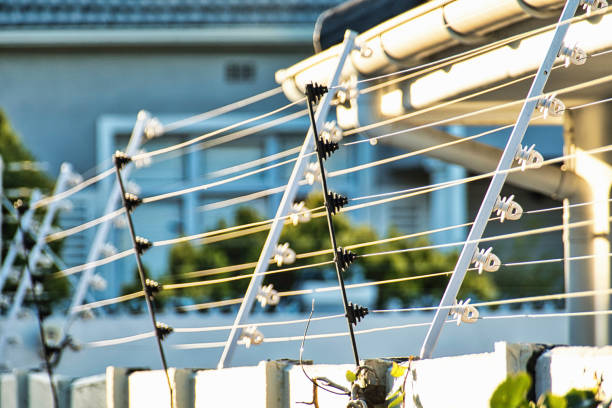
An electric fence is a barrier that uses electrical pulses to deter animals or humans from crossing a defined boundary. It is commonly used for security purposes, agricultural applications, and wildlife control. Unlike traditional fences made from wood, barbed wire, or concrete, electric fences offer a cost-effective, efficient, and adaptable solution for various containment needs.
This guide explores the working principle, components, benefits, types, installation methods, and safety considerations of electric fences.
How an Electric Fence Works
Electric fences operate on the principle of delivering a short, high-voltage electrical pulse through conductive wires. When an animal or person touches the fence, they complete an electrical circuit, receiving a shock. This shock is not lethal but is strong enough to create a psychological deterrent, discouraging any further contact with the fence.
The fence is powered by an energizer (fence charger) that converts electrical energy into controlled pulses. These pulses occur intermittently, preventing continuous current flow and ensuring safety. The intensity of the shock depends on factors such as voltage, current, and duration of contact.
Key Components of an Electric Fence
- Energizer (Fence Charger)
- Converts power from an external source (battery, solar panel, or main electricity) into high-voltage pulses.
- Regulates the frequency and intensity of the shock.
- Fence Wires
- Conductive materials (steel, aluminum, or high-tensile wire) that transmit electrical pulses.
- Arranged in multiple strands or mesh configurations depending on application.
- Fence Posts
- Support the fence structure and maintain proper spacing between wires.
- Made from materials such as wood, metal, or plastic.
- Insulators
- Prevent electricity from escaping into the ground, ensuring efficiency.
- Typically made from plastic, ceramic, or rubber.
- Grounding System
- Essential for completing the circuit and ensuring effective shock delivery.
- Composed of metal rods driven into the earth, connected to the energizer.
- Warning Signs (for Security Fences)
- Indicate the presence of an electric fence to prevent accidental contact.
Types of Electric Fences
1. Permanent Electric Fences
- Built for long-term containment, commonly used in agricultural or security applications.
- Requires durable materials and strong posts.
2. Temporary Electric Fences
- Portable and easy to install, often used for rotational grazing or temporary perimeters.
- Constructed with lightweight materials such as polywire or tape.
3. Solar-Powered Electric Fences
- Ideal for remote locations without access to electricity.
- Uses solar panels to charge a battery, which powers the fence energizer.
4. Security Electric Fences
- Installed in high-security areas such as prisons, military bases, and private properties.
- Often integrated with alarms, surveillance cameras, and warning signs.
5. Wildlife Control Fences
- Used to prevent wildlife from damaging crops or entering restricted areas.
- Designed to deter animals like deer, bears, or elephants.
Benefits of Electric Fences
1. Cost-Effective
- Requires fewer materials and labor compared to traditional fences.
- Lower maintenance costs over time.
2. Highly Effective Deterrent
- Provides a psychological barrier for animals and intruders.
- Delivers a harmless but discouraging shock.
3. Easy to Install and Expand
- Modular design allows for quick installation and modification.
- Suitable for various terrains and property sizes.
4. Low Environmental Impact
- Uses minimal materials, reducing resource consumption.
- Can be solar-powered for sustainable operation.
5. Durability and Longevity
- With proper maintenance, electric fences can last for years.
- Resistant to weather conditions and animal impact.
6. Flexibility in Applications
- Can be used for livestock management, property security, and wildlife control.
- Suitable for both temporary and permanent use.
Installation Guidelines
Step 1: Planning and Design
- Determine the purpose (security, livestock control, etc.).
- Identify power sources (mains, battery, or solar).
- Choose the appropriate wire type and spacing.
- Mark the fence line and plan for access points.
Step 2: Setting Up the Fence Posts
- Space posts appropriately (typically 10-20 feet apart).
- Use strong corner posts for stability.
- Ensure posts are firmly anchored in the ground.
Step 3: Installing Wires and Insulators
- Attach insulators to posts to prevent grounding.
- String the conductive wires between posts, ensuring proper tension.
- Use multiple strands for higher security or animal containment.
Step 4: Connecting the Energizer
- Mount the energizer in a safe, dry location.
- Connect the output terminals to the fence wire and ground system.
- Ensure proper grounding using metal rods driven into the earth.
Step 5: Testing and Maintenance
- Use a voltage tester to check power levels.
- Regularly inspect wires for damage or vegetation interference.
- Maintain the grounding system for consistent performance.
Safety Considerations
- Proper Signage
- Clearly mark electric fences to warn people of potential shocks.
- Use of Safe Voltage Levels
- Ensure the energizer complies with legal and safety regulations.
- Regular Maintenance
- Prevent vegetation growth around the fence to avoid power leakage.
- Check for broken wires or faulty connections.
- Avoid High-Traffic Areas
- Install fences away from playgrounds, pedestrian paths, or public spaces.
- Emergency Shut-Off Mechanism
- Have a manual or remote shut-off option for emergencies.
Common Applications of Electric Fences
1. Agricultural Use
- Containing livestock such as cattle, sheep, and horses.
- Protecting crops from wild animals.
- Rotational grazing systems.
2. Security and Perimeter Protection
- Protecting residential properties.
- Securing commercial or industrial sites.
- Enhancing military and prison security.
3. Wildlife Conservation and Management
- Preventing human-wildlife conflicts.
- Protecting endangered species from poaching.
- Restricting access to conservation areas.
Conclusion
Electric fences provide an efficient, cost-effective, and versatile solution for security, livestock management, and wildlife control. With proper installation and maintenance, they offer long-term durability and safety while ensuring effective deterrence. Whether used on farms, residential properties, or high-security zones, electric fences remain a valuable tool in modern containment and protection strategies.