Introduction
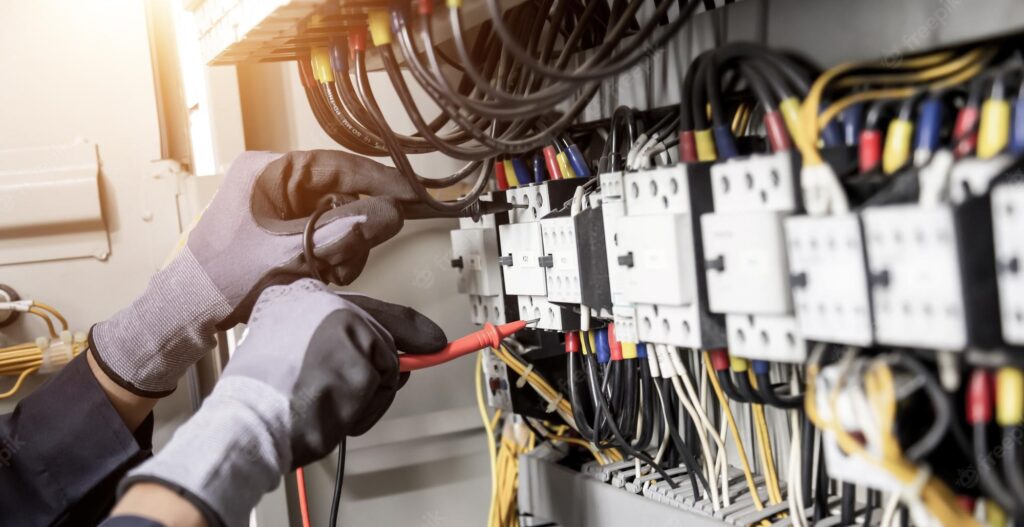
Electrical work is an essential aspect of modern infrastructure, encompassing the installation, maintenance, and repair of electrical systems. Skilled electricians ensure that residential, commercial, and industrial buildings have safe and efficient electrical connections. This field requires a combination of theoretical knowledge, practical experience, and adherence to safety regulations.
Types of Electrical Work
Electrical work is diverse, and it can be broadly categorized into the following types:
1. Residential Electrical Work
Residential electricians focus on wiring homes, installing electrical fixtures, and ensuring a safe electrical supply for household appliances. Their work includes:
- Installing lighting, ceiling fans, and electrical outlets
- Wiring and rewiring homes
- Setting up electrical panels and circuit breakers
- Repairing faulty wiring and outlets
- Ensuring compliance with local electrical codes
2. Commercial Electrical Work
Commercial electricians handle electrical systems in office buildings, retail stores, and other business premises. Their responsibilities include:
- Designing and installing electrical systems for commercial buildings
- Installing energy-efficient lighting solutions
- Ensuring backup power supply systems, such as generators and UPS
- Handling complex wiring and electrical load distribution
- Conducting routine maintenance and inspections
3. Industrial Electrical Work
Industrial electricians work in factories, manufacturing plants, and other large-scale industries where high-power electrical systems are in use. Their tasks include:
- Installing and maintaining heavy machinery electrical systems
- Working with high-voltage power supplies
- Troubleshooting and repairing motor control circuits
- Ensuring the safety and efficiency of industrial electrical systems
- Managing automation and control systems
4. Maintenance and Repair
Electrical maintenance is crucial for the safety and longevity of electrical systems. Maintenance electricians:
- Inspect and test electrical systems
- Diagnose electrical faults and perform repairs
- Replace outdated or damaged components
- Ensure compliance with electrical safety standards
- Prevent potential hazards like short circuits and overloads
5. Specialized Electrical Work
Some electricians specialize in niche areas such as:
- Renewable Energy Systems: Installing and maintaining solar panels and wind turbines
- Automotive Electrical Work: Working with vehicle electrical systems, including hybrid and electric vehicles
- Marine and Aviation Electrical Systems: Handling electrical systems in ships and aircraft
Skills and Expertise Required for Electrical Work
Electrical work demands a blend of technical skills, problem-solving abilities, and strict adherence to safety regulations. Some key skills and expertise include:
1. Technical Knowledge
Electricians must understand electrical theory, circuit diagrams, and wiring schematics. A solid grasp of Ohm’s Law, Kirchhoff’s Law, and other electrical principles is essential for diagnosing and solving electrical issues.
2. Electrical Safety Practices
Working with electricity carries inherent risks. Electricians must follow safety protocols, including:
- Wearing protective gear (gloves, goggles, and insulated tools)
- Using proper grounding techniques
- Identifying and mitigating electrical hazards
- Adhering to National Electrical Code (NEC) and other local regulations
3. Problem-Solving and Troubleshooting Skills
Electricians often encounter faults in wiring, circuits, and electrical equipment. They must diagnose issues accurately and apply effective solutions, whether it involves rewiring a faulty circuit or repairing an electrical panel.
4. Manual Dexterity and Physical Stamina
Electrical work involves handling small components, running wiring through walls and ceilings, and sometimes working in confined spaces. Good hand-eye coordination and physical endurance are crucial for efficiency and safety.
5. Understanding of Tools and Equipment
Electricians use a variety of tools, including:
- Multimeters for measuring voltage, current, and resistance
- Wire strippers and cutters for handling electrical wires
- Circuit testers to detect live wires
- Conduit benders for shaping electrical conduits
- Power drills and saws for installation tasks
Safety Regulations and Compliance
Electrical work is heavily regulated to prevent hazards such as electrocution, fires, and equipment damage. Compliance with safety standards is critical, including:
- National Electrical Code (NEC): Establishes safety requirements for electrical wiring and installations
- Occupational Safety and Health Administration (OSHA): Sets workplace safety standards for electricians
- Local and State Regulations: Vary by location, requiring electricians to stay updated on compliance standards
Challenges in Electrical Work
Despite its rewarding nature, electrical work presents several challenges:
- Electrical Hazards: Risk of shocks, burns, and arc flashes
- Complex Troubleshooting: Diagnosing electrical faults requires expertise and experience
- Physical Demands: Work often involves standing for long hours, climbing, and working in tight spaces
- Keeping Up with Technological Advances: Electricians must continuously update their knowledge of emerging technologies such as smart home automation and energy-efficient systems
Future of Electrical Work
The electrical industry is evolving rapidly with advancements in renewable energy, automation, and smart technology. Emerging trends include:
- Smart Home and IoT Integration: Increasing demand for home automation systems
- Renewable Energy Expansion: Growth in solar and wind power installations
- Electric Vehicle Infrastructure: Need for EV charging station installations
- Energy Efficiency and Sustainability: Focus on reducing energy consumption through innovative electrical solutions
Conclusion
Electrical work is a crucial trade that powers homes, businesses, and industries. Skilled electricians play a vital role in maintaining electrical systems, ensuring safety, and adapting to technological advancements. As the demand for electricity and energy-efficient solutions grows, the need for qualified electricians remains strong, making it a stable and rewarding career choice.